
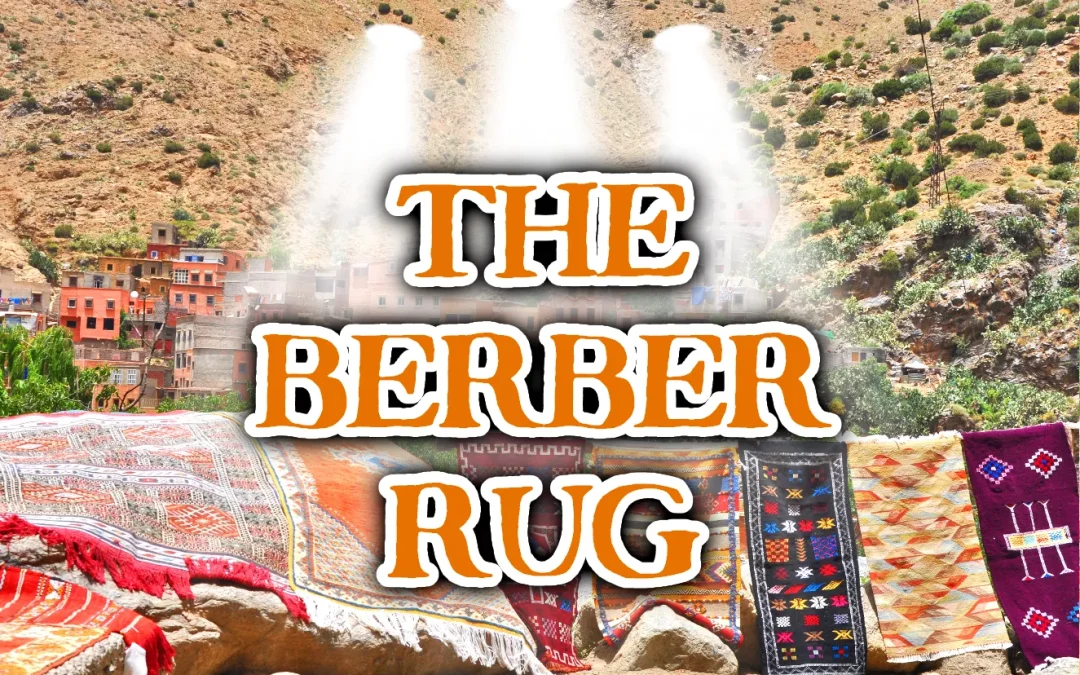
The Berber Rug: A Legacy of the Berber People
The Berber rug is more than just a functional item; it is a symbol of the cultural and historical identity of the Berber people, also known as the Amazigh. These indigenous tribes of North Africa have inhabited regions such as Morocco, Algeria, Tunisia, and Libya for thousands of years. Their nomadic lifestyle, coupled with their intimate relationship with the natural environment, shaped the way they crafted and used these rugs.
Historically, the Berber people needed durable, versatile items to suit their mobile way of life. A Berber rug served multiple purposes—it could be a warm covering during cold mountain nights, a soft floor mat, or even a saddle pad for their animals. This practical origin is complemented by its artistic value, as weaving became a means of storytelling and cultural preservation.

Each rug reflects the environment in which it was made. For example, tribes in the Atlas Mountains often produced thicker, high-pile rugs to combat the cold, while those in desert regions created lighter, flat-woven styles better suited to warmer climates. The diversity of Berber tribes ensured a wide variety of rug styles and techniques, with each group contributing its unique perspective to the craft.
A Craft Passed Down Through Generations
The knowledge of weaving a Berber rug is traditionally passed down from one generation to the next, primarily among women. Young girls learn the craft by observing and assisting older family members. Over time, they develop the skills needed to create complex designs and work on large looms. The process is labour-intensive and requires a deep understanding of materials, tools, and patterns.
The weaving process is closely tied to daily life and community. Women often weave in communal settings, sharing stories and working collaboratively. This social aspect of rug-making reinforces its role as a cultural and familial bond, ensuring that the traditions remain alive and relevant within the community.
Symbols of Identity and Belonging
Beyond their practical uses, Berber rugs serve as a tangible expression of identity. Every detail of a rug, from its colours to its patterns, carries meaning. Symbols like diamonds, lines, and crosses often represent universal themes such as fertility, protection, and the natural elements. These motifs allow the weavers to encode their experiences, beliefs, and aspirations into each piece.
A Berber rug can also act as a personal or tribal signature. Specific patterns, weaving techniques, or colour choices can reveal the origin of the rug, tying it to a particular tribe or region. This makes every rug a unique artifact, rich with historical and cultural significance.
The legacy of the Berber rug is not just about its craftsmanship but also its role as a cultural artifact. It connects the past and the present, embodying the stories, struggles, and triumphs of the Berber people. As these rugs continue to gain global appreciation, their legacy serves as a reminder of the importance of preserving cultural heritage in an ever-changing world.
Materials and Traditional Weaving Methods
A Berber rug is typically made using locally sourced materials like sheep’s wool, camel hair, or goat fibres. The wool is hand-spun, a labour-intensive process that creates the foundation for weaving. To achieve the distinctive colours, weavers use natural dyes derived from plants, minerals, and insects. For example, henna, saffron, and indigo are common sources of dye.
Once the materials are ready, weavers begin the painstaking process of weaving. Each Berber rug is crafted on a loom, often in family homes. The techniques, such as pile knotting or flat weaving, depend on the intended use of the rug. Thick, high-pile rugs are ideal for cold climates, while flat-woven rugs are better suited for desert regions.

Patterns and Meaning
The designs on a Berber rug often tell a story. Patterns like diamonds, triangles, and zigzags carry symbolic meanings, such as protection, fertility, or nature. These symbols are not random; they reflect the values and beliefs of the community. For instance, a diamond might represent a protective eye, while zigzags can symbolize the flow of water.
These motifs are also a way for the weaver to express personal stories or cultural narratives. The designs vary from tribe to tribe, making each Berber rug a distinct representation of its origin.
The Role of the Berber Rug in Daily Life
In Berber communities, rugs serve both practical and ceremonial purposes. In daily life, they are used as floor coverings, blankets, and even saddle pads. Their durability makes them ideal for the nomadic lifestyle.
During special occasions, such as weddings and births, a Berber rug takes on symbolic importance. For example, a bride may receive a handwoven rug as part of her dowry. These rugs are also used to decorate homes during celebrations, creating a warm and welcoming space.
Influence on Modern Design
Over the past few decades, the Berber rug has gained recognition in global markets. Interior designers value these rugs for their understated patterns and natural materials. The Beni Ourain rug, with its neutral tones and geometric designs, is especially popular in minimalist and modern interiors.
Beyond aesthetics, the growing demand for Berber rugs has also inspired modern adaptations. Many contemporary rug makers incorporate traditional Berber motifs into their designs, blending cultural heritage with new techniques.
Challenges in Preserving the Berber Rug Tradition
As demand increases, many Berber rug makers face pressure to adopt modern production methods. Synthetic materials and quicker techniques often replace the traditional, labour-intensive processes. While these changes make the rugs more affordable, they risk losing the authenticity that makes a Berber rug special.
Efforts are underway to preserve these traditional practices. Artisan cooperatives and fair-trade initiatives support weavers by offering fair wages and access to international markets. By purchasing authentic Berber rugs, consumers can help sustain this craft for future generations.
Why the Berber Rug Matters
The Berber rug is more than a functional object; it reflects a rich cultural history. Understanding its origins, the methods used to create it, and its role in Berber society helps us appreciate its true value. Supporting the traditional craftsmanship of Berber rugs ensures this art form remains alive for generations to come.
FAQs About Berber Rugs
What is a Berber rug made of?
Berber rugs are usually made from wool, camel hair, or goat fibres, with natural dyes used to achieve their colours.
What do the patterns on a Berber rug mean?
The patterns often represent cultural symbols or tell stories about the weaver’s life and environment.
How can I tell if a Berber rug is authentic?
Authentic rugs are handwoven and made from natural materials. Look for irregularities in the weave, which indicate traditional craftsmanship.
Are Berber rugs durable?
Yes, their tight weave and high-quality materials make them suitable for heavy use and various climates.
How can I maintain a Berber rug?
Vacuum regularly, clean spills immediately, and consider professional cleaning for deep stains.
#berberrug #berberrugs #moroccanrug #moroccanrugs #persianrug #persianrugs #orientalrug #orientalrugs #antiquerug #antiquerugs #arearug #arearuga #vintagerug #vintagerugs #vintagemoroccanrugs #lovemoroccanrugs