
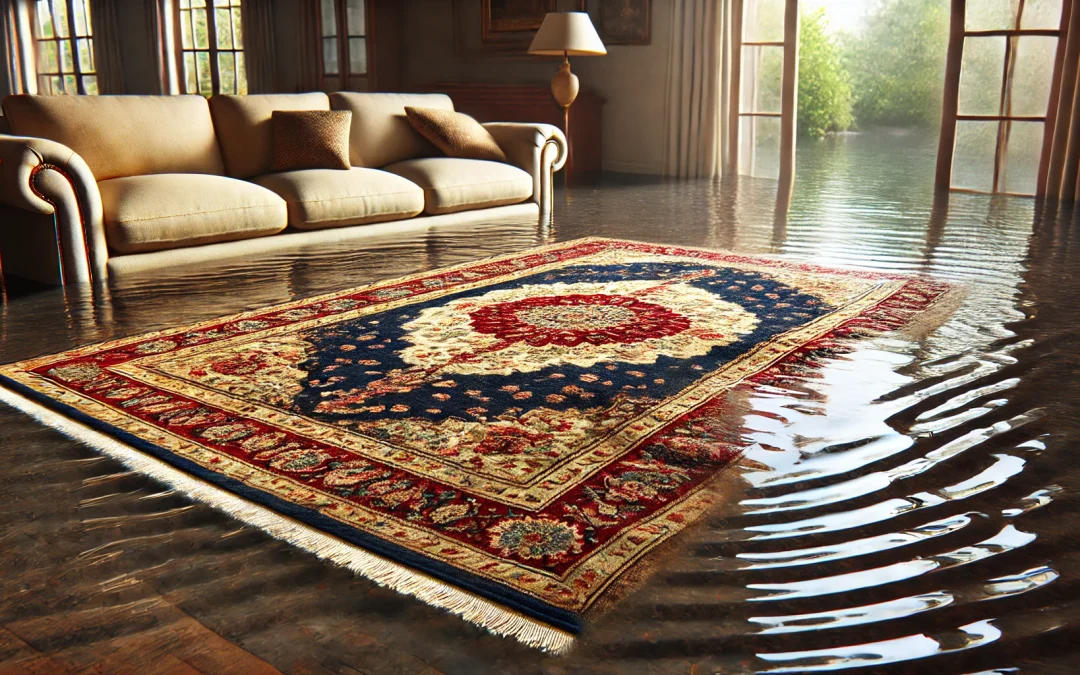
With the UK currently experiencing severe weather conditions and widespread flooding, many homeowners are facing the unfortunate reality of water damage in their homes. One of the most vulnerable and cherished items in these homes is often a Persian or Oriental rug. Known for their intricate designs and craftsmanship, these rugs are not only beautiful but also valuable. When exposed to water, however, they can suffer serious damage. Acting quickly is crucial to save your water-damaged Persian or Oriental rug, ensuring it’s restored to its former glory. In this guide, we’ll walk you through the essential steps to take immediately after your rug has been exposed to water, as well as provide advice on cleaning, drying, and restoring your rug.
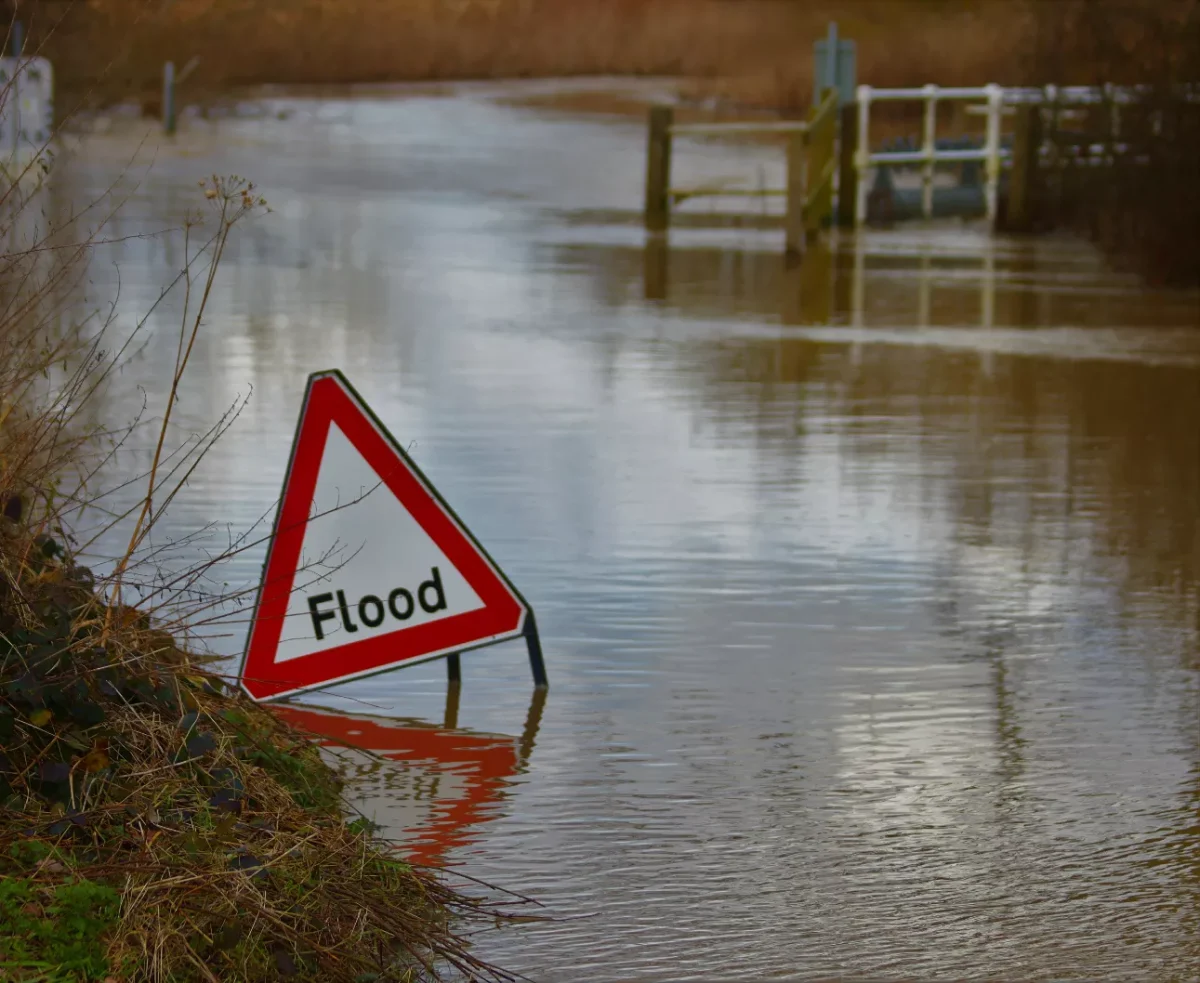
Understanding Water Damage in Persian and Oriental Rugs
Persian and Oriental rugs are delicate works of art, often handmade with natural fibres such as wool, silk, or cotton. These materials are highly absorbent, making them particularly vulnerable to water damage. When your rug is exposed to water—whether from flooding, a burst pipe, or accidental spillage—the fibres can weaken, colours may bleed, and mould can develop if left untreated.
It’s important to note that there are different types of water damage. Clean water damage from rain or a leaking pipe is less harmful than greywater (which may come from appliances like dishwashers or washing machines). Blackwater, typically resulting from sewage or contaminated floodwater, poses the most serious risk, not only to the rug itself but also to your health. Understanding the type of water damage your rug has suffered is key to determining the next steps in the restoration process.
Assessing the Severity of the Water Damage
Before diving into any cleaning or drying, it’s essential to assess the severity of the water damage to your Persian or Oriental rug. If the rug was exposed to clean water and the damage is minor, you may be able to save it through quick DIY steps. However, if the rug has been saturated for an extended period or exposed to greywater or blackwater, professional help will likely be required.
Inspect the surface of your rug carefully. Signs of deep damage include extensive water stains, mould growth, and foul odours. Also, check for discolouration, fibre weakening, or the rug’s edges fraying. If you spot any of these signs, it’s essential to act quickly to prevent further deterioration.
One major indicator that your rug needs professional restoration is the presence of mould. Mould can begin to grow within 24-48 hours after water exposure, and once it spreads into the rug’s fibres, it can be extremely difficult to remove without expert intervention. Mould not only damages the rug, but it also poses significant health risks, making it critical to address immediately.
Steps to Take Immediately After Water Damage Occurs
When your Persian or Oriental rug has been exposed to water, immediate action is crucial to prevent further damage. Follow these steps to mitigate the harm and increase your chances of restoring the rug successfully.
Blot Excess Water
The first thing you should do is blot the excess water from the rug’s surface. Use clean towels or a dry sponge to absorb as much moisture as possible. Avoid scrubbing or rubbing the rug, as this can cause the delicate fibres to fray or tangle. Gentle blotting is far more effective and less likely to cause additional damage.
Elevate the Rug
If the rug has been exposed to standing water or a wet surface, elevate it as soon as possible to prevent further saturation. Place small objects like blocks or cushions under the edges of the rug, allowing air to flow underneath. This step will help the rug begin drying from all angles, reducing the risk of mould and mildew setting in.
Move the Rug to a Dry, Ventilated Area
Once you’ve blotted the excess water and elevated the rug, move it to a dry, well-ventilated area. Open windows, set up fans, or even use a dehumidifier if available to accelerate the drying process. Avoid placing the rug in direct sunlight, as this can cause the colours to fade and the fibres to become brittle.
Drying Persian and Oriental Rugs: Methods and Best Practices
Once you’ve taken immediate action to stop further water damage, the next step is to focus on drying the rug thoroughly. If done improperly, moisture can remain trapped in the fibres, causing mildew or mould. Here are the best practices for drying your water-damaged Persian or Oriental rug:
Air Drying vs. Machine Drying
Air drying is the safest method for drying a Persian or Oriental rug. Spread the rug out flat, ensuring good air circulation on both sides. Hanging the rug can cause the fibres to stretch and distort its shape. Never use a tumble dryer or high heat, as this can cause the fibres to shrink, discolour, or become brittle. Always opt for air drying, using fans or dehumidifiers to speed up the process.
The Role of Dehumidifiers and Fans
Position dehumidifiers and fans near the rug to encourage faster evaporation of moisture. The more airflow you can create, the better. If you can, elevate the rug slightly using plastic or wooden blocks to allow air to flow underneath. This will help dry the rug from all angles, ensuring no moisture gets trapped.
Avoiding Direct Sunlight
It might be tempting to leave the rug outside on a sunny day to dry faster. However, direct sunlight can be harmful to Persian and Oriental rugs. Prolonged exposure to UV rays can cause the dyes to fade, especially in natural, hand-dyed rugs. Always ensure the rug dries in a shaded, ventilated area.
Deep Cleaning a Water-Damaged Rug
In most cases, water damage leaves behind dirt, bacteria, and even mildew that regular cleaning cannot address. This is why a deep clean is often necessary, especially after a flood.
Why Professional Cleaning is Necessary
Water-damaged Persian and Oriental rugs require specialised care. While DIY solutions might be adequate for surface-level cleaning, they won’t be enough to fully restore a rug that’s been saturated with dirty or contaminated water. Professional rug cleaners have the tools and expertise to deep-clean the fibres and eliminate any residual bacteria or mildew, helping your rug regain its original beauty.

Dealing with Mould and Mildew on Persian and Oriental Rugs
Mould and mildew are common consequences of water exposure, especially if the rug has been wet for more than 48 hours. Both can damage the rug’s fibres and pose health risks, including respiratory issues.
Identifying Early Signs of Mould
Signs of mould and mildew include dark spots, a musty odour, and a damp texture that persists even after drying. If these signs appear, it’s important to act immediately. Mould can spread quickly and damage the rug beyond repair.
Home Remedies vs. Professional Treatment
Mild cases of mould may be treated with home remedies such as a mixture of white vinegar and water. However, this method may not be effective for more severe cases. Professional rug cleaners use specialised products and equipment to remove mould safely without damaging the delicate fibres of your rug.
Preventing Water Damage in the Future
To protect your Persian or Oriental rug from water damage in the future, it’s important to take preventive steps.
Waterproof Padding
One effective solution is to invest in waterproof padding. A good rug pad not only adds comfort but also acts as a protective barrier against moisture from the floor, helping to reduce the risk of water damage.
Proper Rug Placement
If your home is prone to flooding or leaks, avoid placing valuable Persian or Oriental rugs in high-risk areas such as basements, kitchens, or bathrooms. Placing rugs in lower-risk areas can significantly reduce the chances of them being exposed to water.
Regular Rug Maintenance
Regular cleaning and inspection of your rug can help identify early signs of damage. Routine maintenance, such as professional cleaning once a year, can also extend the life of your rug and prevent future damage.
When to Consult a Professional Restoration Service
While it’s possible to address minor water damage yourself, there are times when professional help is essential. If your rug has been exposed to blackwater, has deep mould, or has been saturated for a prolonged period, contact a professional restoration service. They have the knowledge and equipment to fully restore the rug without causing further damage.
Costs Involved in Repairing a Water-Damaged Persian or Oriental Rug
The cost of restoring a water-damaged Persian or Oriental rug can vary greatly depending on several factors.
Average Costs for Cleaning and Restoration
The average cost for professional cleaning ranges from £50 to £200, depending on the size of the rug and the extent of the damage. Full restoration services, which may include deep cleaning, mould removal, and repair of damaged fibres, can cost anywhere from £100 to £500 or more.
Factors Affecting the Price
Factors such as the type of water exposure, rug material, and whether any structural damage has occurred will influence the overall cost. It’s always a good idea to get an estimate from a professional rug restorer before proceeding with any work.
FAQs About Water-Damaged Persian and Oriental Rugs
Can water permanently damage my Persian rug?
Yes, water can permanently damage a Persian rug if it is not treated quickly. Prolonged exposure to moisture can weaken fibres, cause mould, and lead to colour bleeding.
How long do I have to act after my rug gets wet?
You should act as quickly as possible. Mould can start to grow within 24-48 hours, and fibres can weaken if left wet for too long.
Can I dry the rug myself without professional help?
You can dry minor water damage yourself by following the steps outlined above. However, for extensive water damage or exposure to greywater or blackwater, professional assistance is recommended.
What are the health risks of leaving a water-damaged rug untreated?
Leaving a water-damaged rug untreated can lead to mould and mildew growth, which can trigger respiratory issues, allergies, and other health problems.
Water damage to Persian or Oriental rugs can be distressing, but with quick action and the right restoration techniques, these valuable pieces can often be saved. Whether dealing with clean water or floodwater, knowing the steps to take—from blotting and drying to seeking professional help—will give you the best chance of restoring your rug to its original beauty. Additionally, preventive measures like waterproof padding and proper rug placement can help safeguard your rug from future water damage.
#waterdamagerestoration #Persianrugcare #Orientalrugrestoration #rugcleaningtips #flooddamagerestoration #mouldremoval #rugrepair #professionalrugcleaning #homedecorcare #rugmaintenance